Prices incl. VAT plus shipping costs
Delivery time appr. 7-21 workdays**
- Order number: IHV-20073
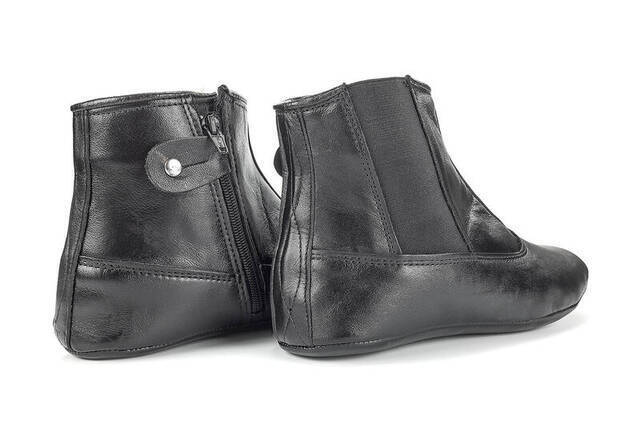
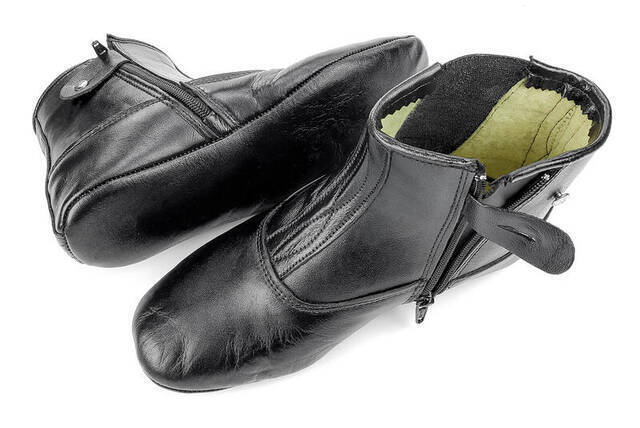
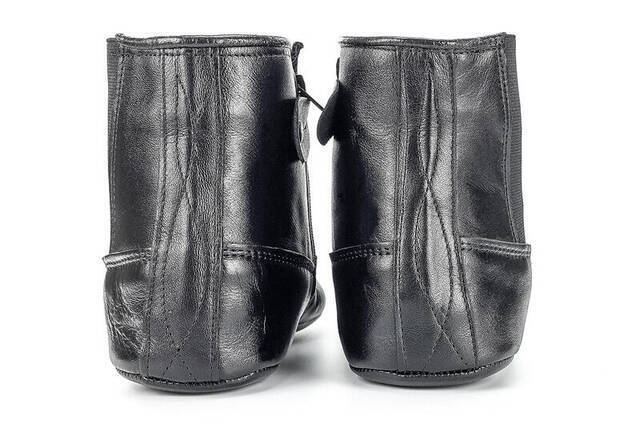
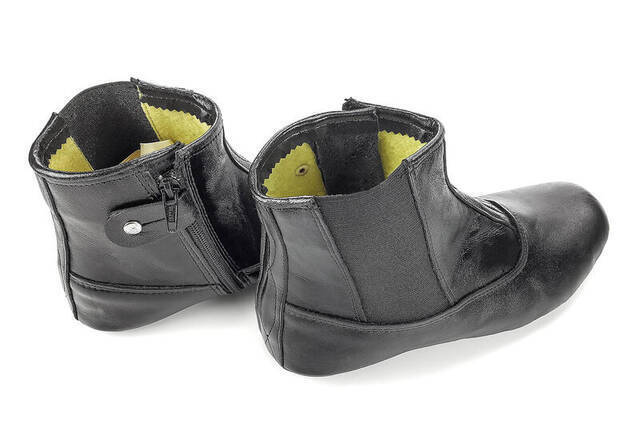
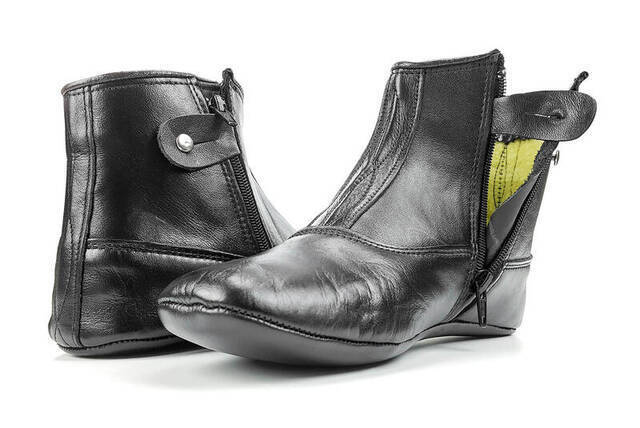
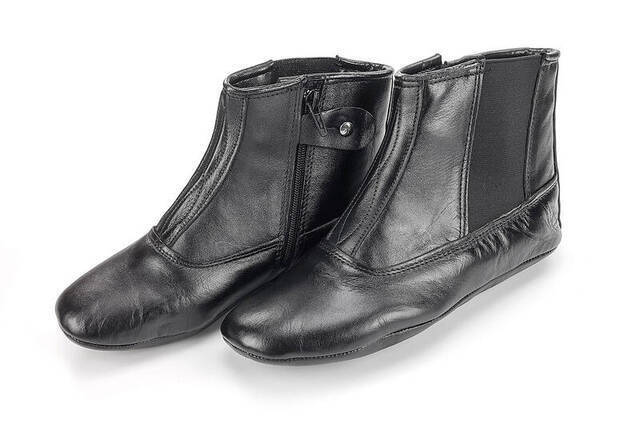
Leather Mest Features:
- Made of 1st Quality Calfskin.
- It Is Made Of Felt Inside.
- Both Zippered and Elastic.
- It is worn with shoes or rubber bands.
- Numbers from 36 to 44 are available.
Is it permissible?
Religious Affairs Fatwa
In addition, the conditions that must be met in order for a product to be used as a enchantment were answered as a fatwa based on the application made to the Religious Affairs High Council of the Presidency of Religious Affairs:
Reference: Petition dated 16/11/2012:
In order for the mesh to be permissible on the mestin worn on the feet, mest etc. The garment must have the following characteristics:
- They should cover their feet with their heels.
- It should be possible to walk at least 3 miles (5km).
- There should be no holes, tears or rips under or above the bottom of the heel, with three of the toes entering.
- It should be able to stand without tie and without rubber.
- When it gets wet, it should not let water into it immediately. Wiping is done on the mest that meets the above conditions.
prof. Dr. Raşit KÜÇÜK
Chairman of the Supreme Council of Religious Affairs
How to mesh on mest and what are the conditions for it?
Mest is the name given to a kind of shoe that covers the feet together with the ankles.
The conditions required for the permissibility of wiping on mestlers are as follows:
a) It is worn after an ablution by washing the feet,
b) Approximately 5 km with a normal gait with the feet on. or more durable enough to walk,
c) The mests must be strong and thick enough to stand untied after being put on,
d) There are no holes three times as wide as the smallest toe in each of the mests,
e) It should not absorb water and immediately pass it to the feet.
Mesh is a kind of legal cleaning; with wet hands on a limb, mestin worn on the foot, or a bandage wrapped around the wound; In tayammum, on the other hand, it is done on the face and arms with the hands that have been dug into the ground.
Wiping over mests while making wudu It is fixed by the Sunnah of the Prophet (SallAllahu Alaihi Wasellam). As a matter of fact, Hz. There are many narrations stating that the Prophet (SallAllahu Alayhi Wasellam) performed ablution and wiped over his lofts (Bukhari, Wudu, 35, 48; Muslim, Taharet, 72, 73).
A person who wears mest on his feet while having wudu can wipe over his mest for one day if he is a resident or three days if he is a traveller, after his wudu is broken. Hz. The Prophet (SallAllahu Aleyhi Wasellam) appointed three days and three nights for the guest, and one day and one night for the resident as the time to wipe over the mest (Nesai, Taharet, 98).
After making wudu by wiping the mests, a person who takes off both of his mests or one of them while performing wudu is considered to have passed on his feet, so he must wash his feet and put on mests again without breaking his wudu. If he did it while he was not making wudu, he must wash his feet while making wudu again. When his time is up, if he has wudu, it is enough to take off the mash and wash his feet; If there is no wudu, he should wash his feet and perform ablution (Kâsânî, Bedâiu's-sanâî, I,9).